State Policy Corner
Neighbors for More Neighbors volunteers are hard at work at the Minnesota legislature! We’re part of the “Yes to Homes!” coalition, which supports legislative efforts around housing.
Yes to Homes is a diverse set of organizations united around the common goal of creating a statewide housing policy that’s focused on solving Minnesota’s housing shortage by:
Increasing the supply of accessible and affordable housing statewide.
Streamlining housing approvals to help local governments get new homes built.
Reversing the effects of racial and economic exclusionary zoning.
Supporting location efficiency, a crucial strategy to reduce climate impact and improve health and economic outcomes.
Ensuring home construction is not slowed down or subtly banned through overly restrictive city rules and regulations.
To meet these goals, we are tracking and supporting bills to advance these policy priorities statewide.
Our Policy Positions
Allow More Starter Homes in Minnesota
Cities and towns throughout Minnesota make it harder to build starter homes by mandating large lot sizes and restricting the types of homes people can build on their land. Because of this, Minnesotans are often forced to buy more land and more house than they actually need. This drives up home prices and rents for everyone and requires more of our state’s natural beauty to be replaced with sprawling developments.
We believe that all Minnesotans should be able to live in a home that fits their needs, and that the best way to achieve this is through state policy that sets common-sense ground rules for all cities. This policy would:
Create predictable regulations that allow smaller homes on smaller lots in areas of new development.
Define a minimum lot size standard that accommodates smaller home types, ensuring people aren’t forced to buy more land than they need.
Allow at least two homes per residential property, and townhomes on new or newly split lots.
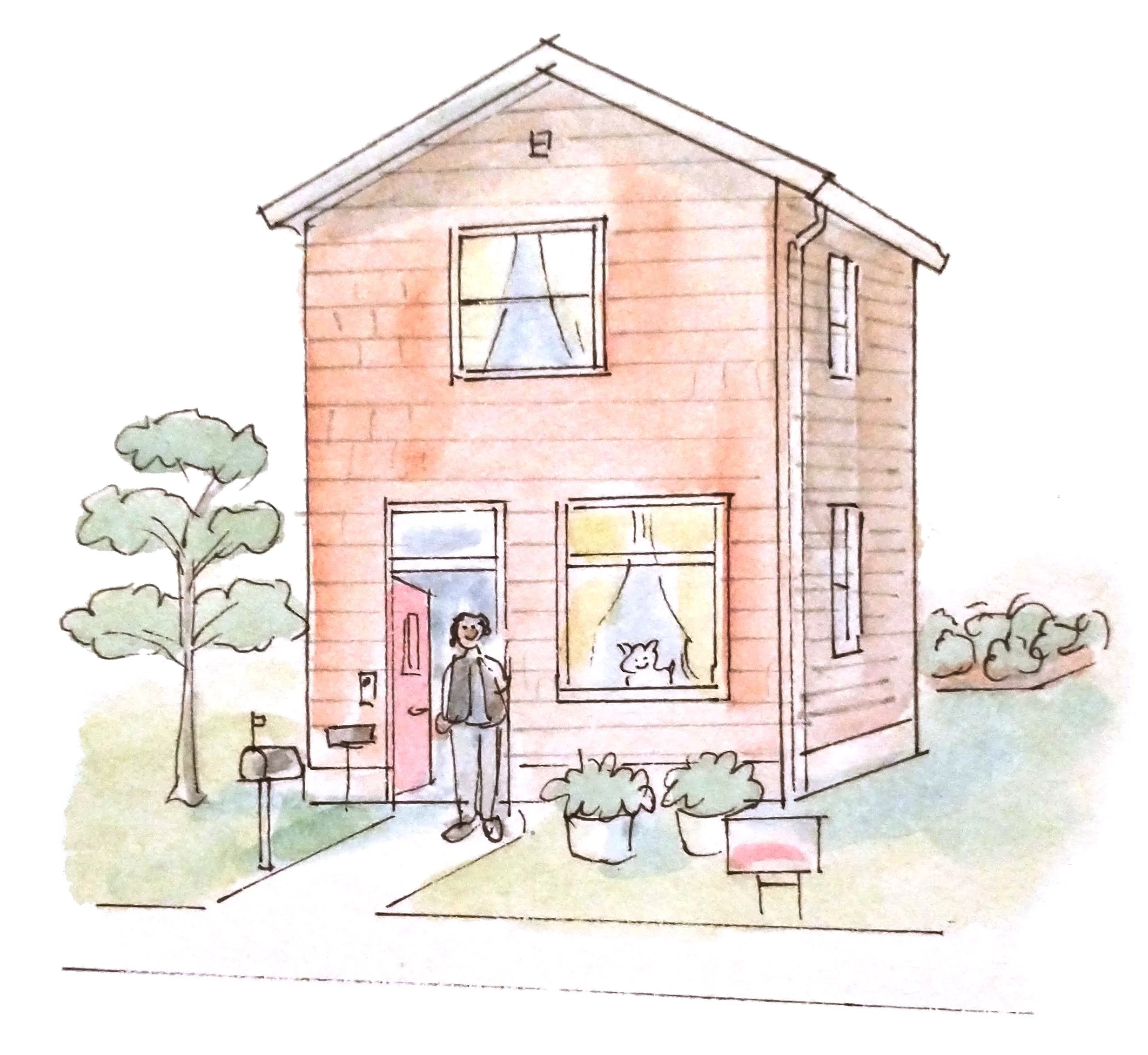
Allow homeowners to build a small additional home on their property. These Accessory Dwelling Units (ADUs) give people the flexibility to help family members as they grow or age and allow more neighbors to live in our communities.
Our vision is a Minnesota where all families have homes that work for them, regardless of whether they want to own or rent. A Minnesota where sensible ground rules create a simple construction process, allowing more homes to be built and keeping unnecessary costs down.
By allowing more homes to be built, we can achieve this vision and make homes more affordable and available for all Minnesotans.
Legalize “Missing Middle” Homes
In most Minnesota cities and towns, homes are restricted to either large apartment and condo buildings or single-detached homes. “Missing Middle” homes fill this gap and are crucial for making neighborhoods livable and affordable. Small apartments, townhomes, and more are overly restricted, or outright banned, by cities throughout the state.
More home variety will help more Minnesotans find a home that fits their needs, and a statewide policy will set clear ground rules for these new homes. This policy would:
Allow all residential properties to accommodate at least two homes, whether as duplexes or Accessory Dwelling Units.
Allow more homes to be built per lot near transit, schools and parks, and commercial areas to shorten commutes.
“Missing Middle” homes would give Minnesotans better access to a variety of home types, save money through shared land and infrastructure costs, and allow them to move into or remodel a home to best suit their families’ needs.
“Missing Middle” homes also help town and city budgets stay healthier, as they spend less per-home on building out miles of roads, sewers, and electrical lines. This allows cities to spend more on needed maintenance, improving services, or providing tax relief.
More Homes Near Frequent Destinations
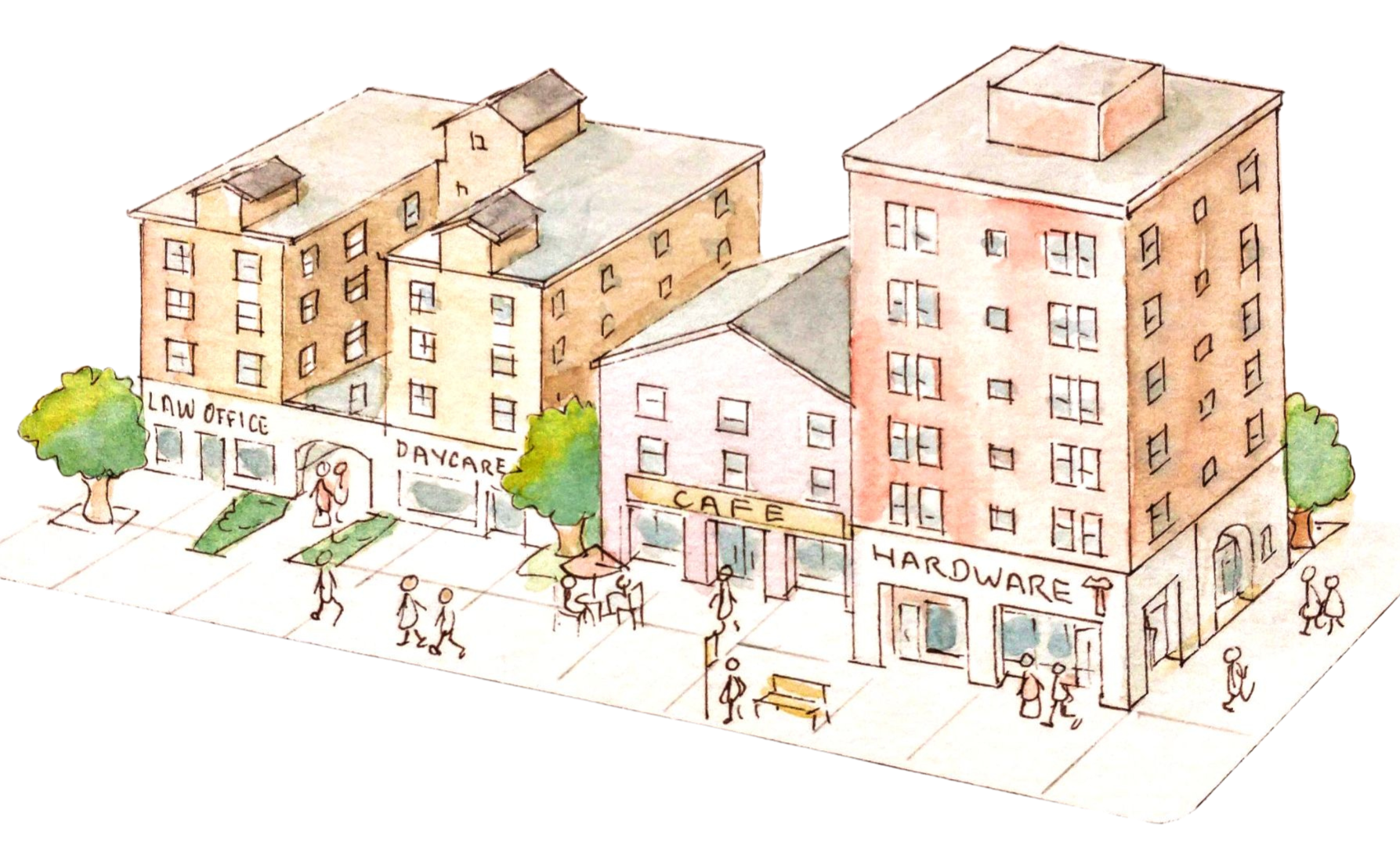
Most places in Minnesota separate the land available for homes from the land for workplaces, stores, and destinations. Our current rules mean people have to travel farther to reach their destinations, and local businesses are further away from their customers. These rules increase traffic and contribute to empty storefronts.
We believe that Minnesotans should be able to live close to the places they need and want to be, and that the state has a role to play in improving our cities, making this choice easier and more available. This policy would:
Allow multi-family homes to be built in commercial districts, providing easy access to workplaces and amenities.
Allow more mixed-use zoning, where residential and commercial uses share the same lot or building
Allow neighborhoods to thrive by reducing the distances between homes and destinations.
Reduce traffic congestion and support businesses that can be open more hours of the day.
Legalizing homes near destinations would give Minnesotans better access to homes close to where they work, shop, and play. Our vision is vibrant, thriving communities across the state with a variety of businesses that meet the needs of the people living there.
This, in turn, would help ease traffic, reduce the infrastructure spending needed to maintain cities and towns, and bolster the local and state economy.
Remove Residential Parking Mandates
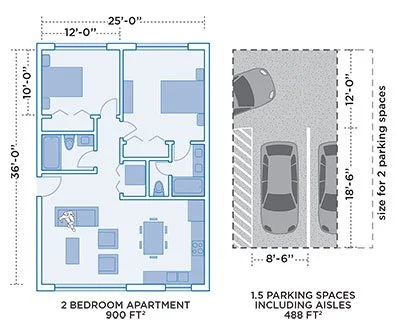
Currently, Minnesota cities and towns require every home built, regardless of type or location, to have a minimum number of parking spaces. Oftentimes, two to four parking spaces are required per home, adding an average monthly cost of $225 in rent or $15,000 to home prices per space.
These inflexible requirements raise the cost of a home for all Minnesotans and take up space that is often under or never used.
We believe that Minnesota’s people and communities should have the choice to decide how much parking they need. This policy would:
Remove or reduce parking mandates statewide, allowing families, businesses, and landowners to decide how much parking they need.
Save money and reduce home prices by removing expensive, unused parking that doesn’t meet the homeowner’s needs.
Improve cities by reducing the amount of mandated pavement, reducing sprawl, increasing green space, and improving flood resistance.
Our vision is a Minnesota where people build what they want and need, reducing waste and leading to more homes in walkable neighborhoods closer to green spaces and neighborhood corner stores.
Allow Municipal Land Value Tax
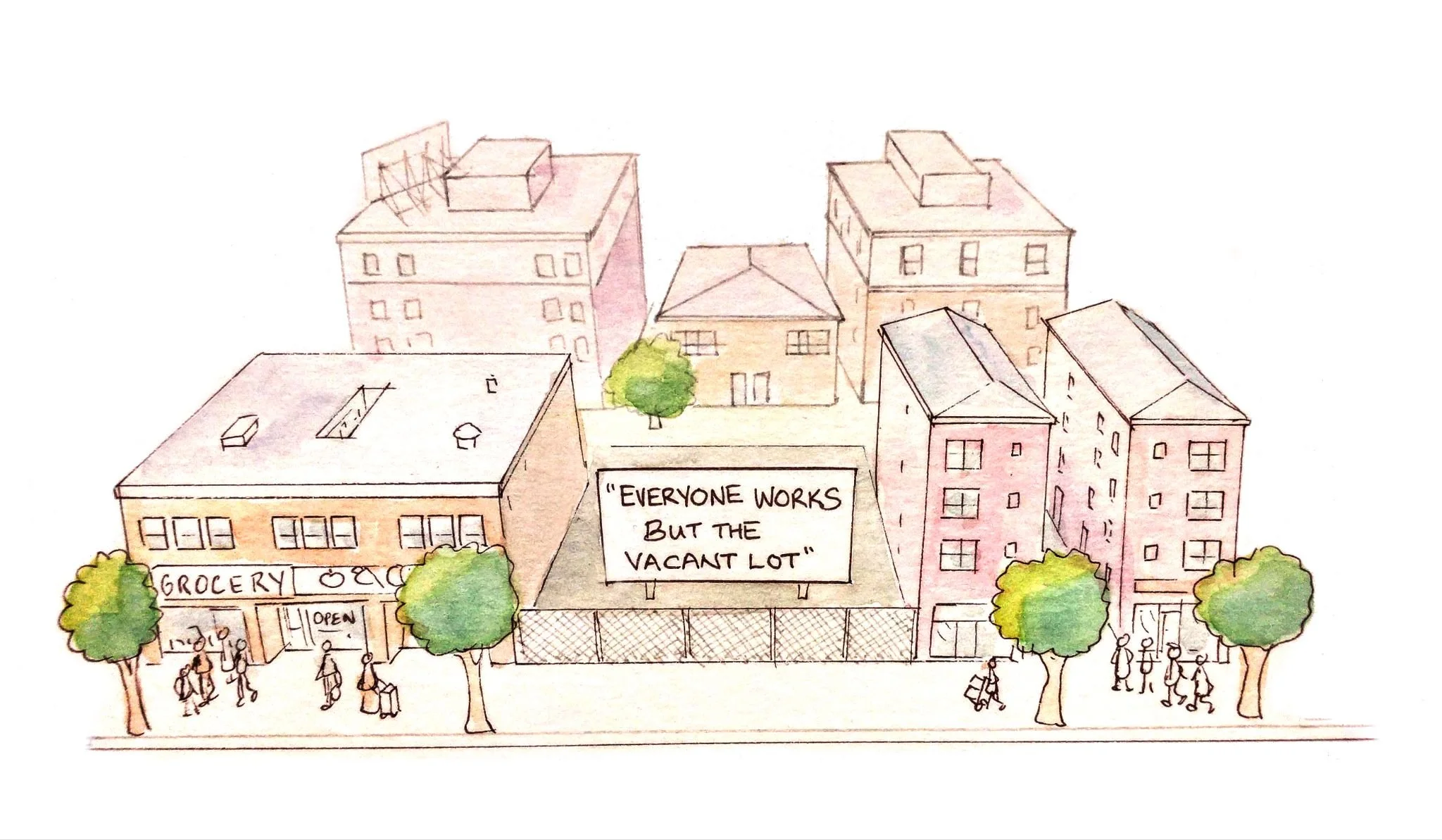
Minnesotans across the state currently pay property tax on both the land their homes sit on and the homes themselves. Homeowners and renters pay taxes on the place they live, while developers and landowners pay much less to hold onto vacant lots until the price rises to meet their desired profit. This property tax system incentivizes speculation rather than building new homes or businesses.
A land value tax (LVT) is a different approach to property tax. Rather than taxing buildings or improvements to a piece of land, the tax is primarily on the land itself. This doesn’t change how much a city raises in property tax, just how it is calculated for the owners.
Land value taxes remove the incentive to hold onto empty lots, encouraging landowners to build homes or businesses on the vacant land or sell it to someone who will. This tax structure change promotes thriving communities and discourages real estate speculation.
A land value tax policy would:
Allow towns and cities throughout Minnesota to have more options on how to tax properties, including implementing a land value tax on all or part of the city
Discourage landowners and real estate investors from holding vacant land or empty parking lots for speculative value.
Make homes more affordable by encouraging construction of new homes and reducing the inflationary pressures of land speculation.
Our vision is a Minnesota where we recognize that the value of our land lies in the community around it. By legalizing land value taxes, we can encourage redevelopment that supports our communities without burdening our neighbors with new taxes.