

Our Work

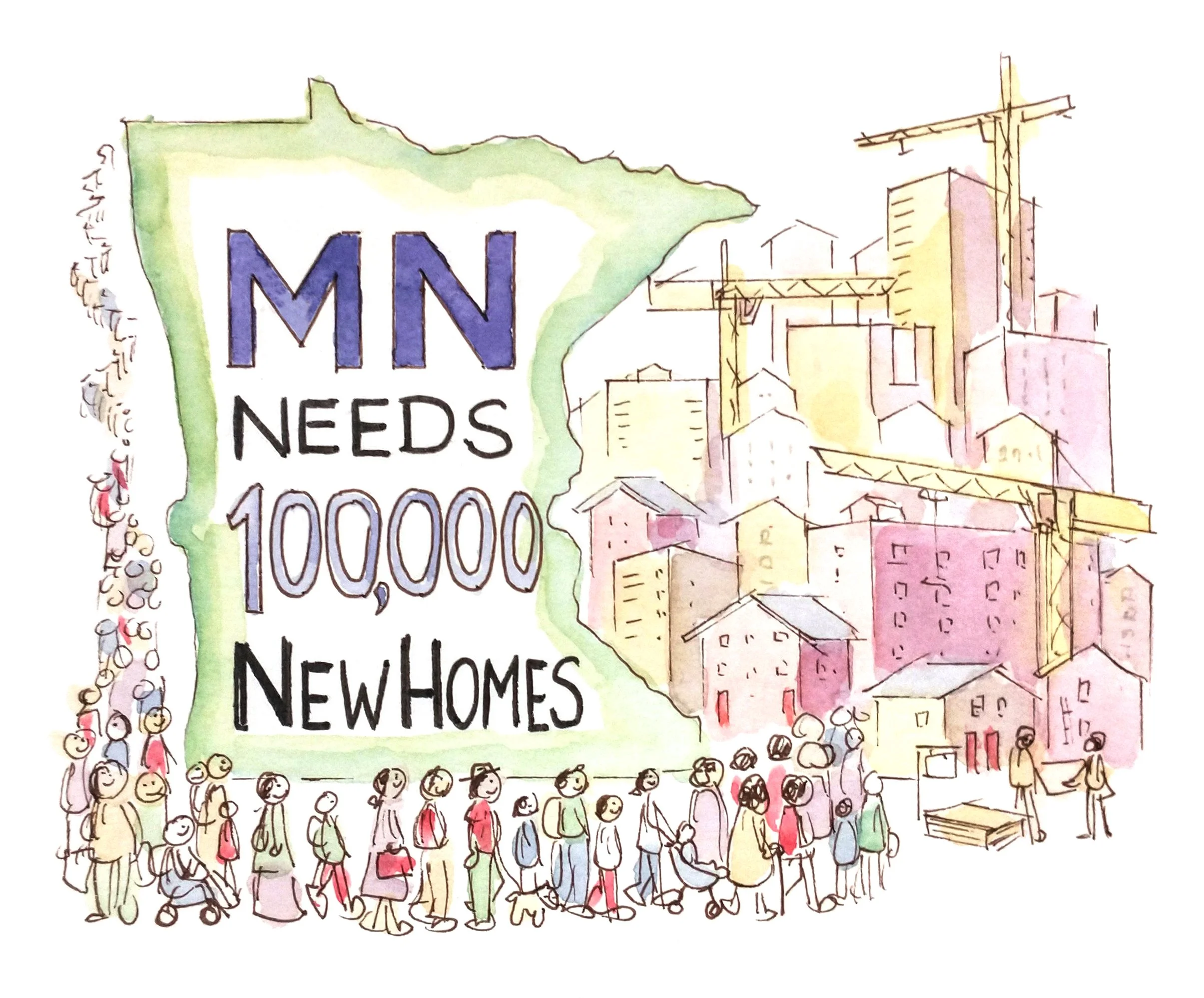
City laws, like zoning, make it hard to build homes in MN:
The majority of land is reserved for the most expensive home type, a single-detached house on a large lot.
The production of homes has not kept up with population growth, which drives up the costs of renting or purchasing homes.
Most housing that is built is exurban sprawl, sacrificing farmland, isolating us, and leading to traffic, long commutes, and pollution.
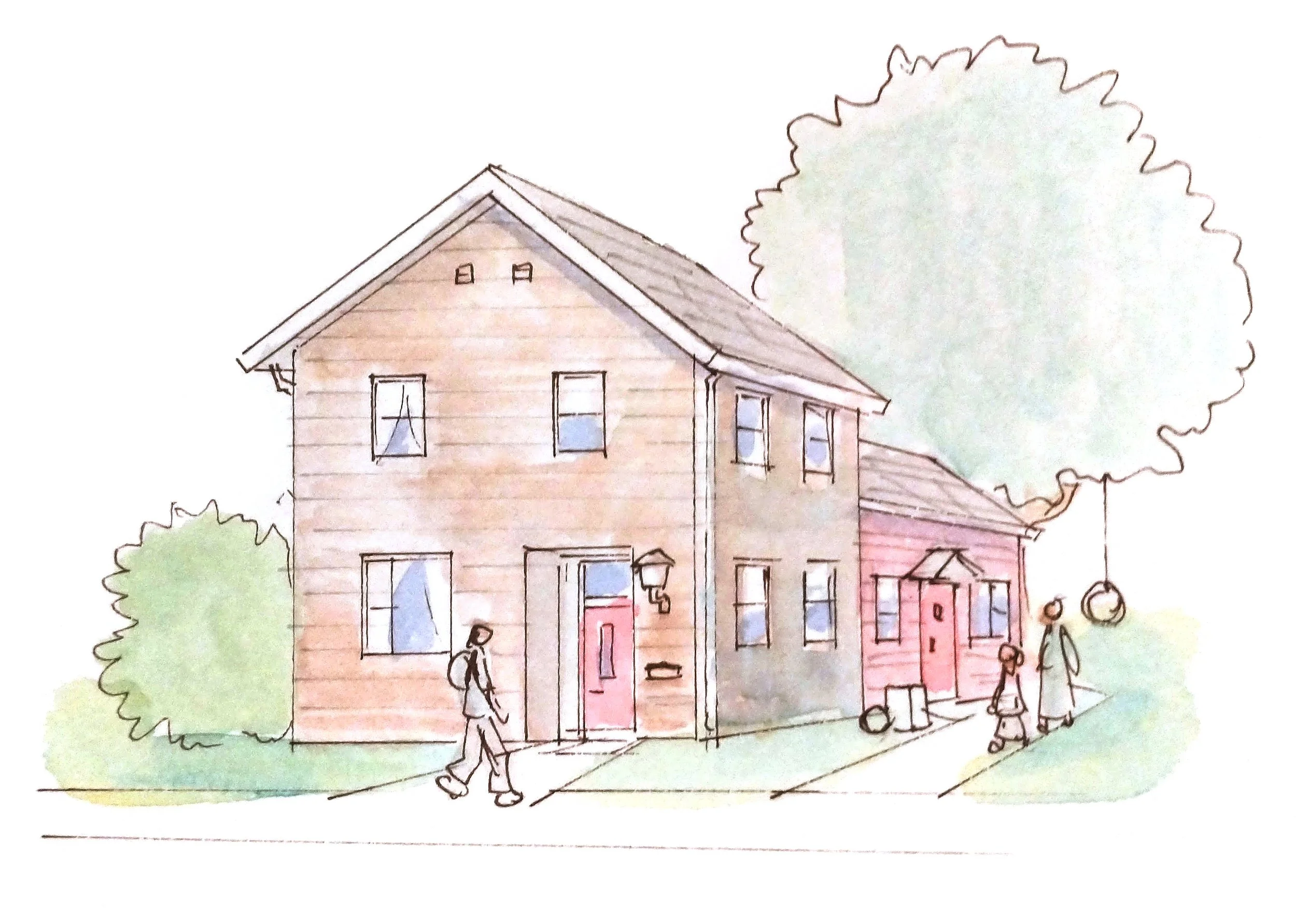
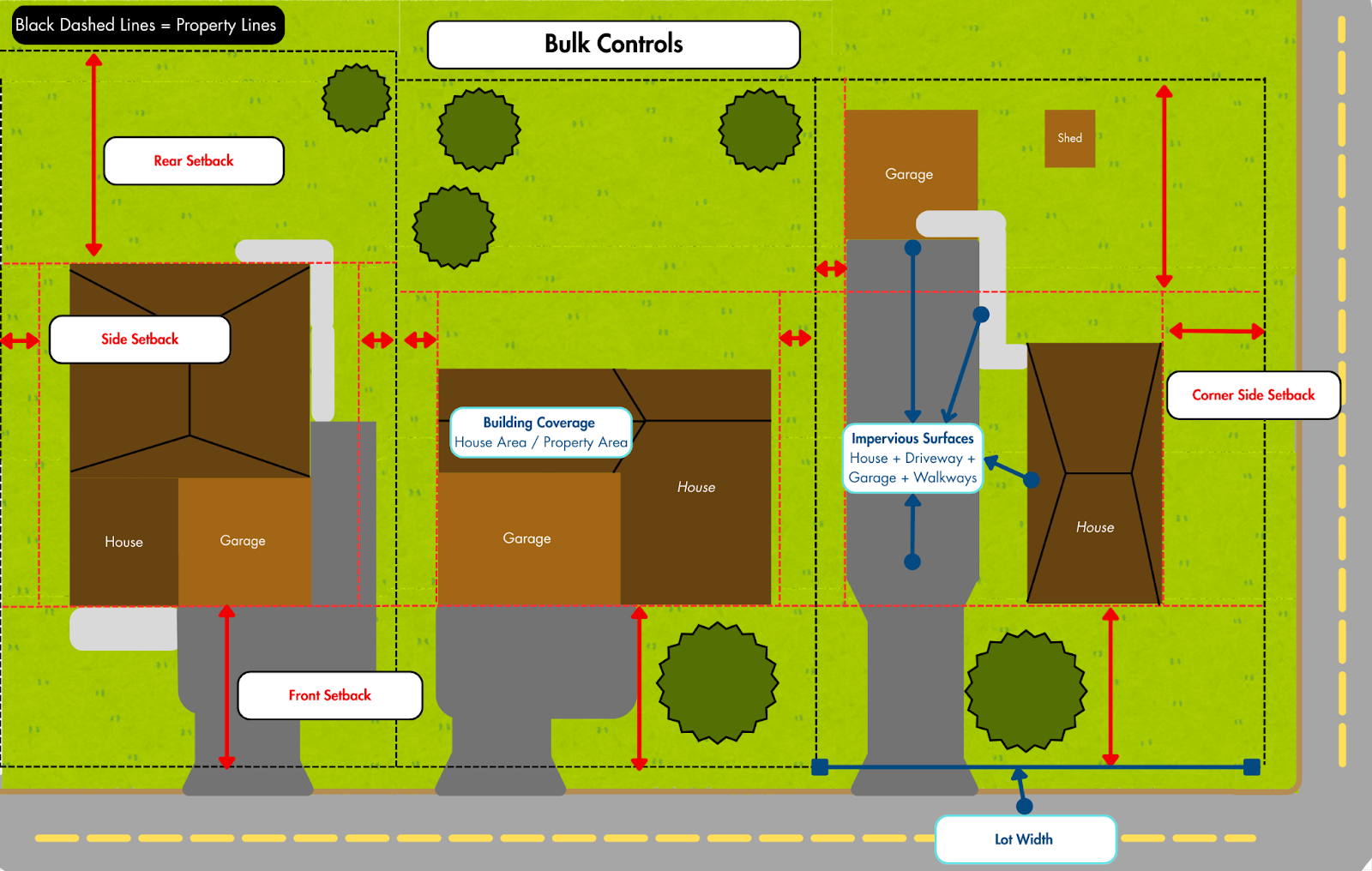
Smaller lots and homes, as well as multiplexes, row homes, and ADUs, are either not allowed or have arbitrary rules that limit their feasibility.
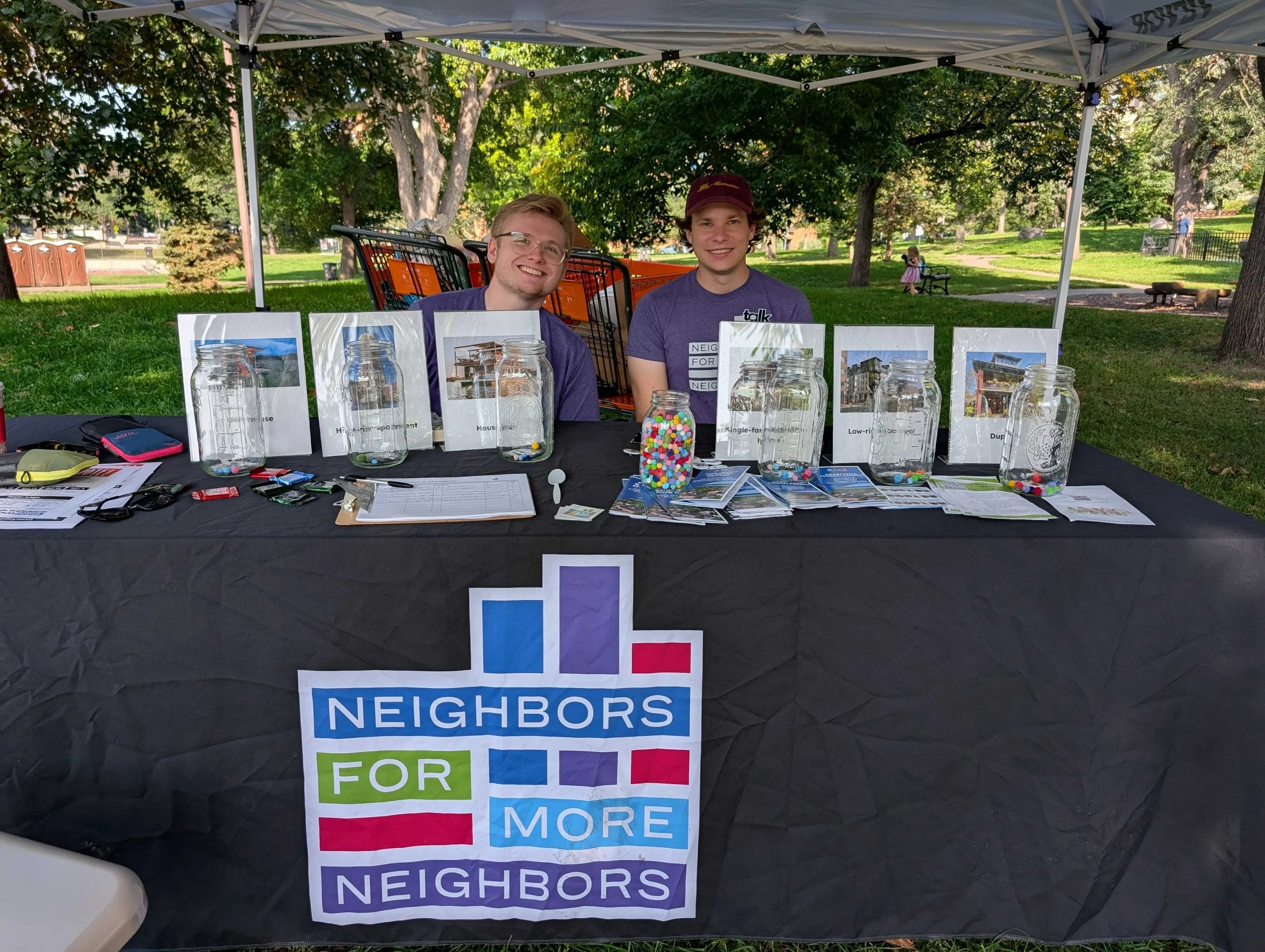

When states and cities change these policies and zoning codes, more families and people can afford to live near good schools, transit, jobs, and amenities in walkable, convenient neighborhoods that reduce our environmental footprint.
Minnesota Statewide Work
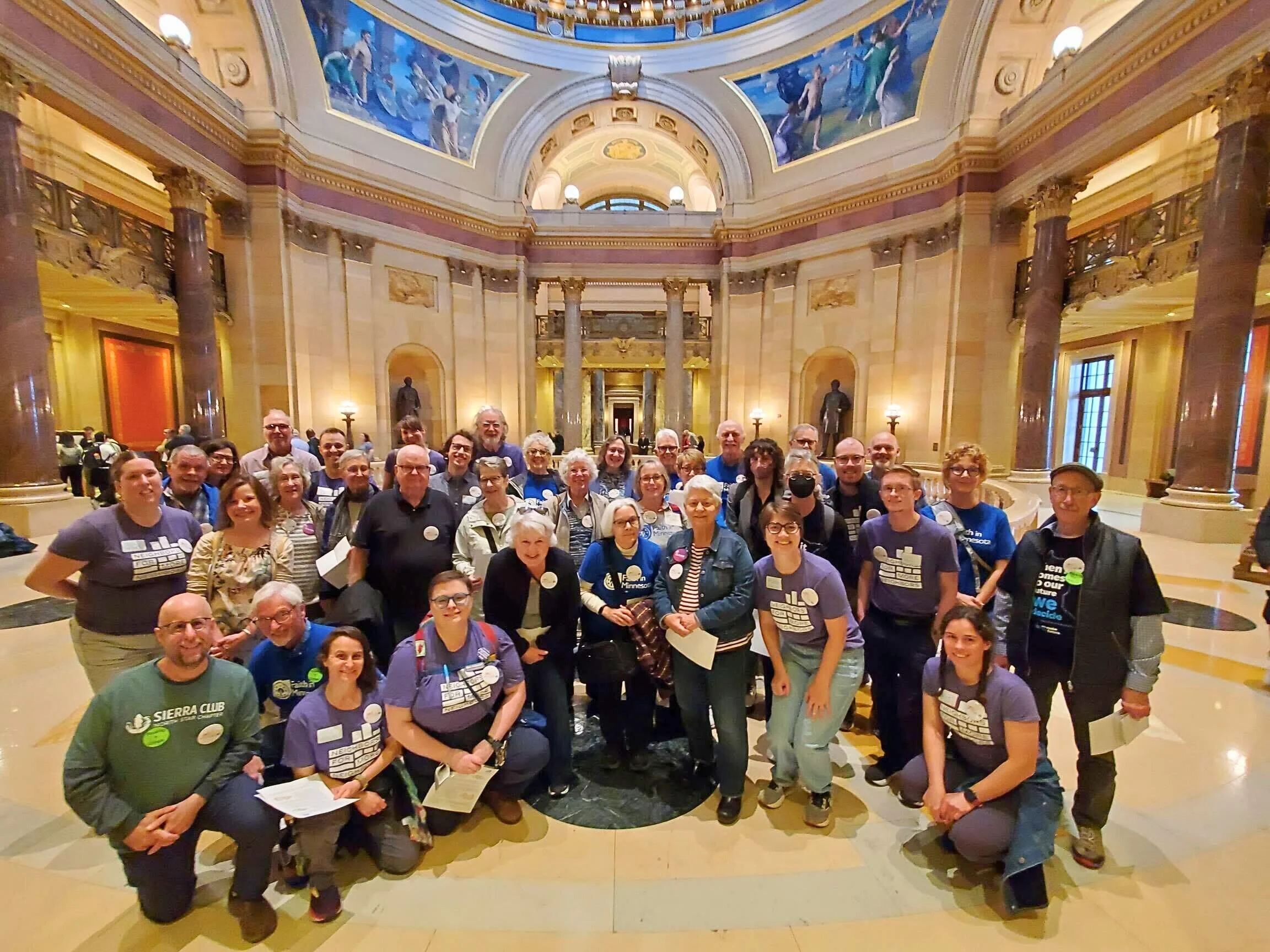
We’ve spent the past few legislative sessions working to make homes more accessible across the state of Minnesota. This means pushing for statewide solutions that help communities of all sizes grow in ways that are more affordable, sustainable, and inclusive.
Together with partners, we’ve helped pass a study on single stair buildings, which will allow family-sized apartments, fixed a legal gap around comprehensive plans that allows cities to plan for increased homes on already-developed land, and made sure housing policy is getting a lot more attention at the Capitol.
Minneapolis Focused Work
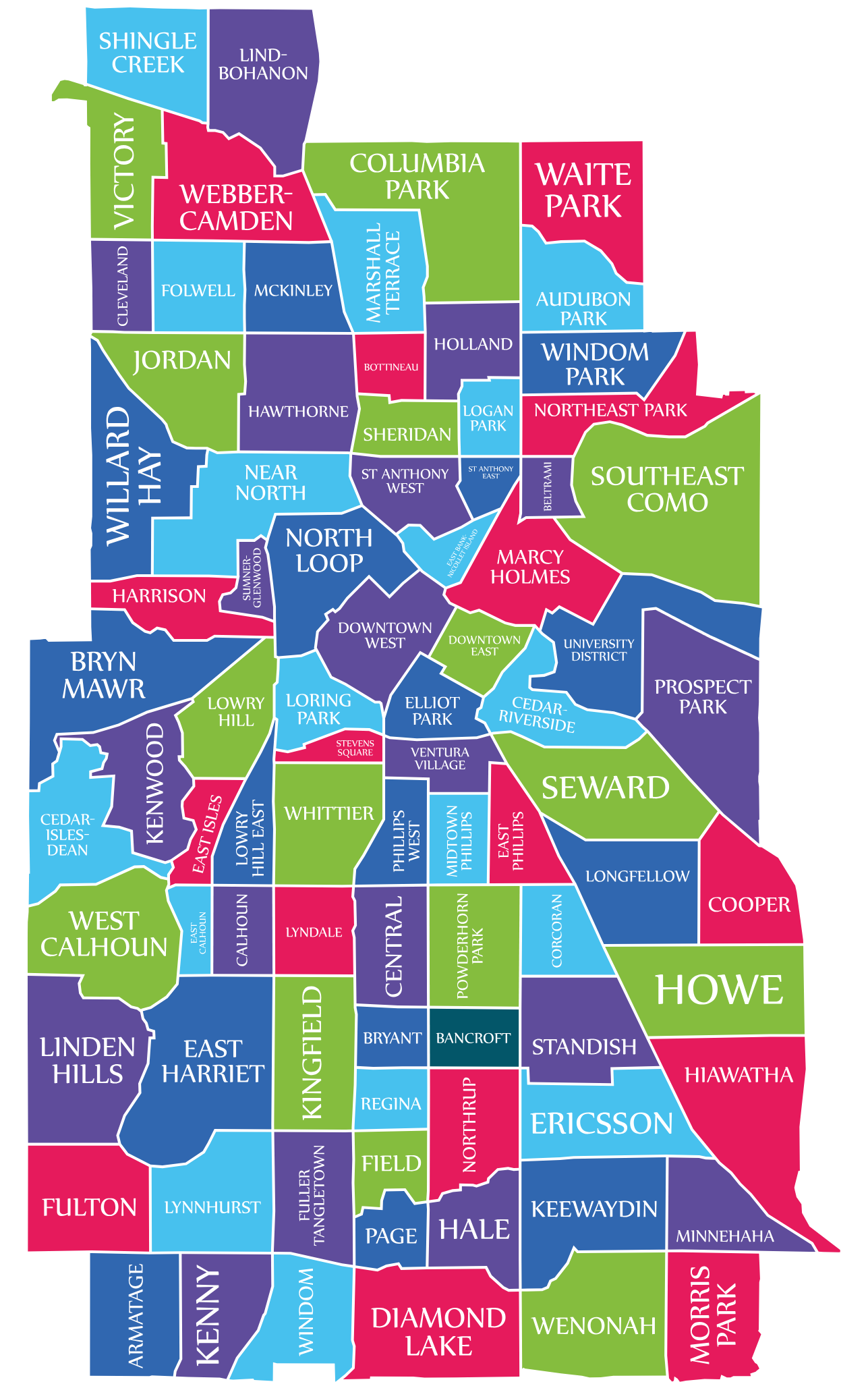
Neighbors for More Neighbors got our start supporting the Minneapolis 2040 Comprehensive plan, big step toward allowing more kinds of homes in more parts of the city.
Since then, we’ve kept at it: showing up for housing proposals, pushing for policies that make it easier to build different kinds of homes, and organizing with those who believe Minneapolis should be a place where anyone can choose to live.
Neighbors for More Neighbors Recent News


Want to Learn More?
To keep learning about the issues, explore our FAQs page for common questions about Neighbors for More Neighbors and our work.
-
Zoning laws dictate what kinds of housing can be built and where. Many existing rules restrict neighborhoods to single-family homes or limit density, which reduces supply and drives up costs. Reforming these rules is essential to creating affordable, inclusive, and sustainable communities.
-
Connected communities — where homes, transit, jobs, and shops are close together — reduce the need to drive, lower greenhouse gas emissions, and improve air quality. They also protect natural spaces by limiting sprawl. Thoughtful neighborhood planning supports climate resilience and a healthier environment.
-
We’re not against single-family homes — we’re for more options. Everyone should be able to live in a neighborhood they love, whether that’s in a house, an apartment, or something in between. Right now, zoning laws often allow only single-family homes, limiting who can afford to live there — including seniors, teachers, and young families. Allowing more types of housing creates more flexibility, more choices, and more vibrant communities — without taking away anyone’s existing home.