
As the state legislative session ramps up, Neighbors for More Neighbors and the Yes to Homes Coalition are hard at work to support statewide policy changes that will give Minnesotans more abundant and affordable housing options. The bill we are supporting this year is the Starter Homes Act (HF3895), which was officially introduced today, March 2nd.
In this post, we will answer: What is the Starter Homes Act? And why is it so crucial that it gets passed by the Legislature?
A Bipartisan Effort Allowing More Housing Choices for All Minnesotans
Minnesota thrives when everyone has a stable home in a community that welcomes them. Whether we’re digging each other out of the snow or sharing a meal, Minnesota is a place where we look out for each other.
Today, Minnesota doesn’t have enough homes for our current residents, creating competition and driving up prices. To meet the needs of people who live here today, we need 100,000 more homes. This shortage is pushing out the people our communities rely on: teachers, childcare providers, firefighters, and service workers. Everyone should be able to live in the community of their choosing.
The Starter Homes Act can help solve this problem by allowing more types of homes in more places across the state. Allowing more homes of all shapes and sizes (townhomes, backyard cottages, or accessory dwelling units, and apartments near jobs) will make our cities and towns more affordable for local workers, help young people who grew up here move back home, and allow older adults to stay in their communities.
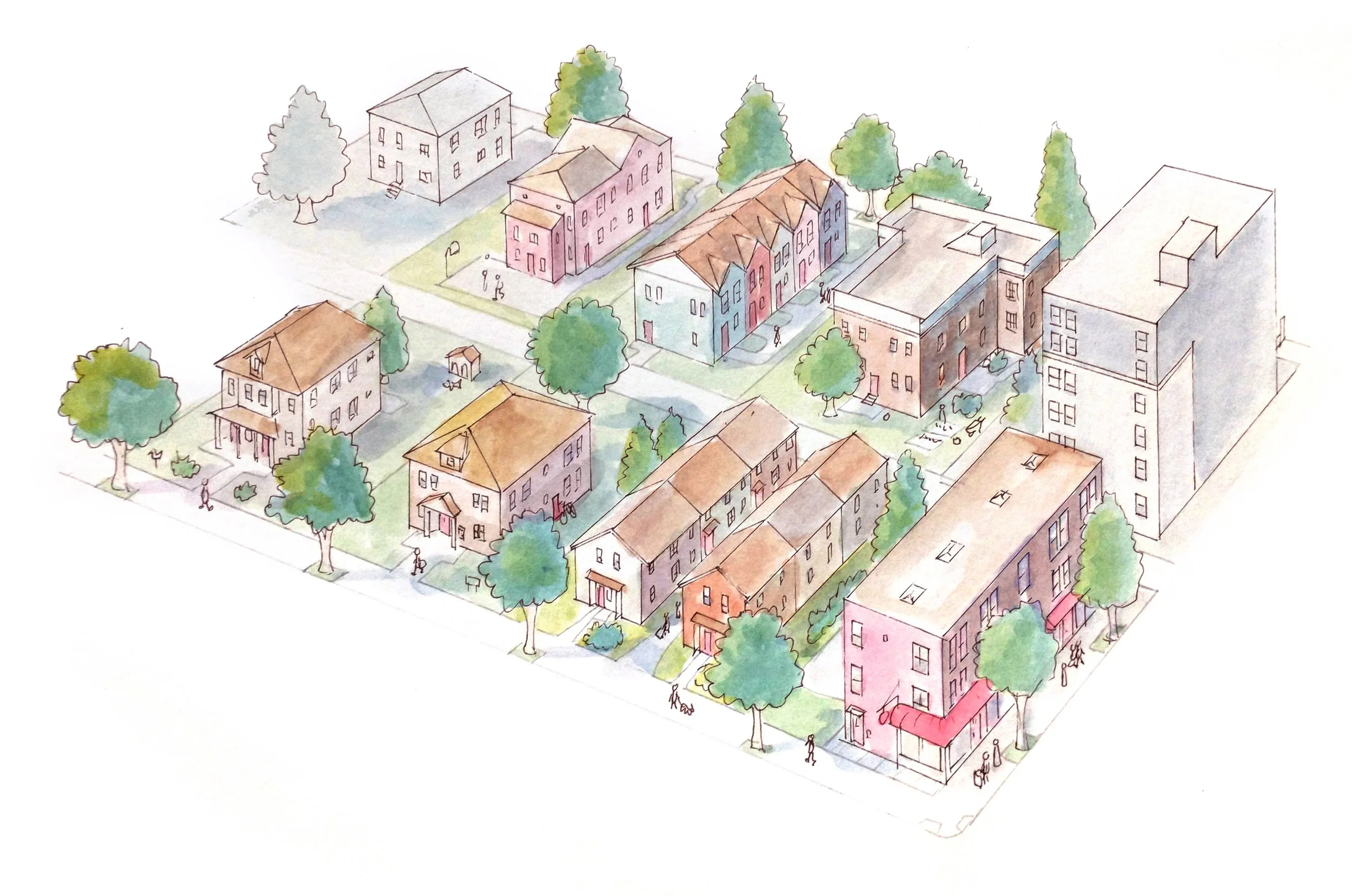
More Homes, More Choices, Lower Costs
The Starter Homes Act legalizes more home types in all residential zones, allowing Minnesotans to meet their housing needs. These home types include allowing homeowners to build an accessory dwelling unit (ADU) or backyard cottage, and the bill allows new detached homes or townhomes to be built on smaller new or vacant lots with public utility access.
These changes give Minnesotans more choices by allowing families and neighbors to choose the amount of land and the size of the home that fits their needs.
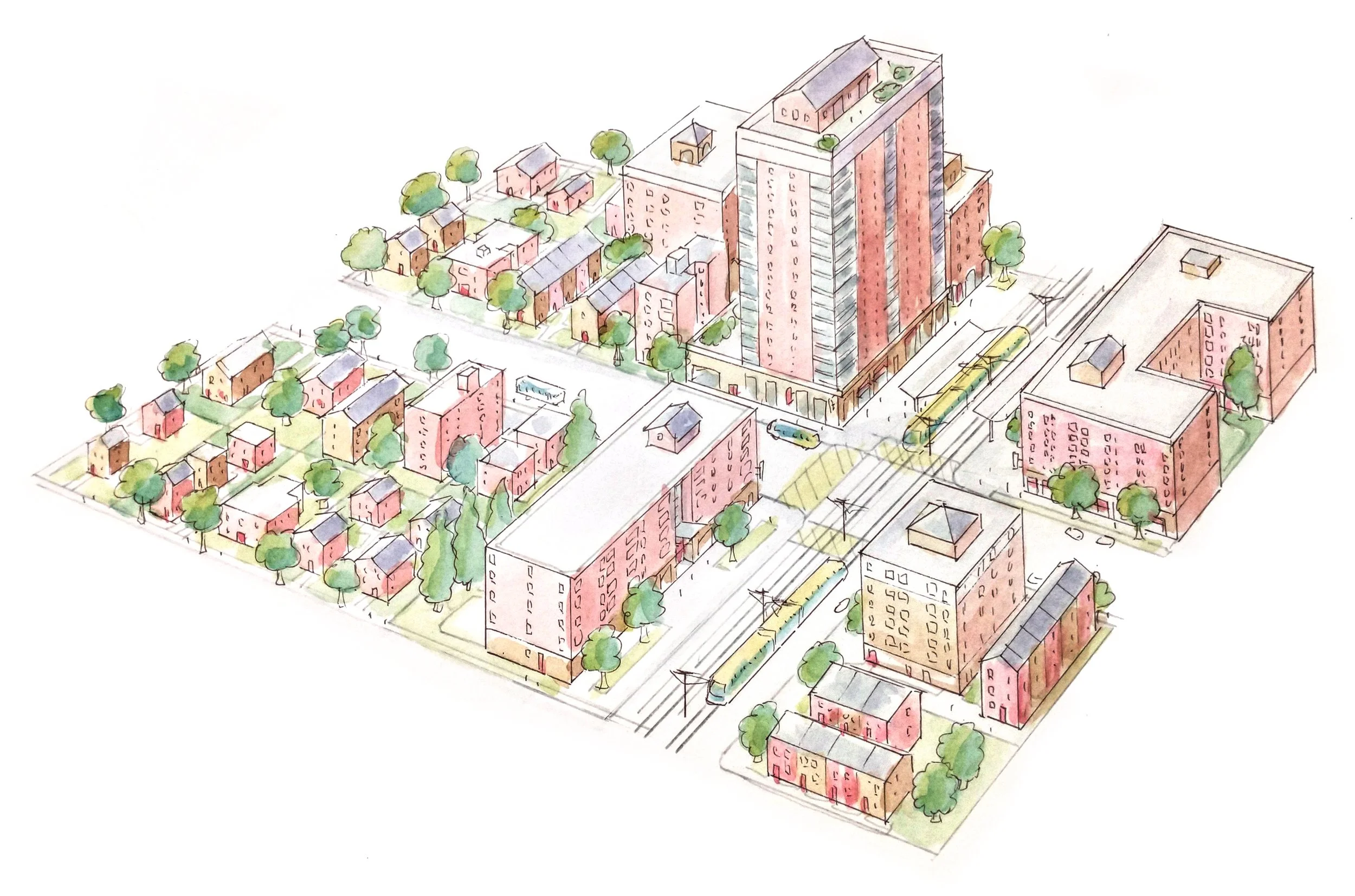
More Homes Where We Already Live
The Starter Homes Act allows for more homes in existing neighborhoods near schools, jobs, and everyday amenities. Through the act, cities will allow duplexes, triplexes, and fourplexes in at least one-third of existing residential areas. Additionally, cities must allow mixed-use buildings or multifamily homes, such as apartments or condos, in at least one-third of commercial areas.
These new homes near jobs could replace empty office buildings, underused strip malls, or vacant commercial land. More homes near jobs means less competition and lower home prices while also making it easier for people to live near where they work.
Make it Faster to Build Homes
The Starter Homes Act will make sure that new homes can be approved and built in a timely manner. Building permit approvals will be standardized to reduce delays and uncertainty for families and builders.
Bulk & Lot Control Standards
Many cities require large lots, large lawns, and mandatory garages, making modest homes difficult or impossible to build and restricting choices for Minnesotans. The Starter Homes Act leaves most decisions about size and style to cities, but requires that cities allow smaller homes on smaller lots.
HOA Restrictions
Under the Starter Homes Act, cities may no longer require a Homeowners Association (HOA) as a condition for approving new homes. Removing this requirement reduces HOA fees and gives homeowners more choices about how their community looks and feels. Cities still remain in charge of public infrastructure and safety while giving residents more options for the type of neighborhood they live in.
Aesthetic Standards
Aesthetic mandates can unintentionally increase housing costs. By requiring a porch, a balcony, or larger garages, cities increase costs and reduce flexibility for homeowners. The Starter Homes Act returns these choices to homeowners for all types of new homes, including townhomes, single-family homes, duplexes, and fourplexes.
A Menu of Options for Cities
Larger Cities Have Greater Capacity to Address Minnesota’s 100,000-Home Shortage
The Starter Homes Act provides a menu of proven tools that cities with populations over 10,000 can choose from to expand housing supply. Larger cities must adopt more tools, while suburban and smaller cities can adopt fewer tools. Smaller towns are exempt from this requirement.
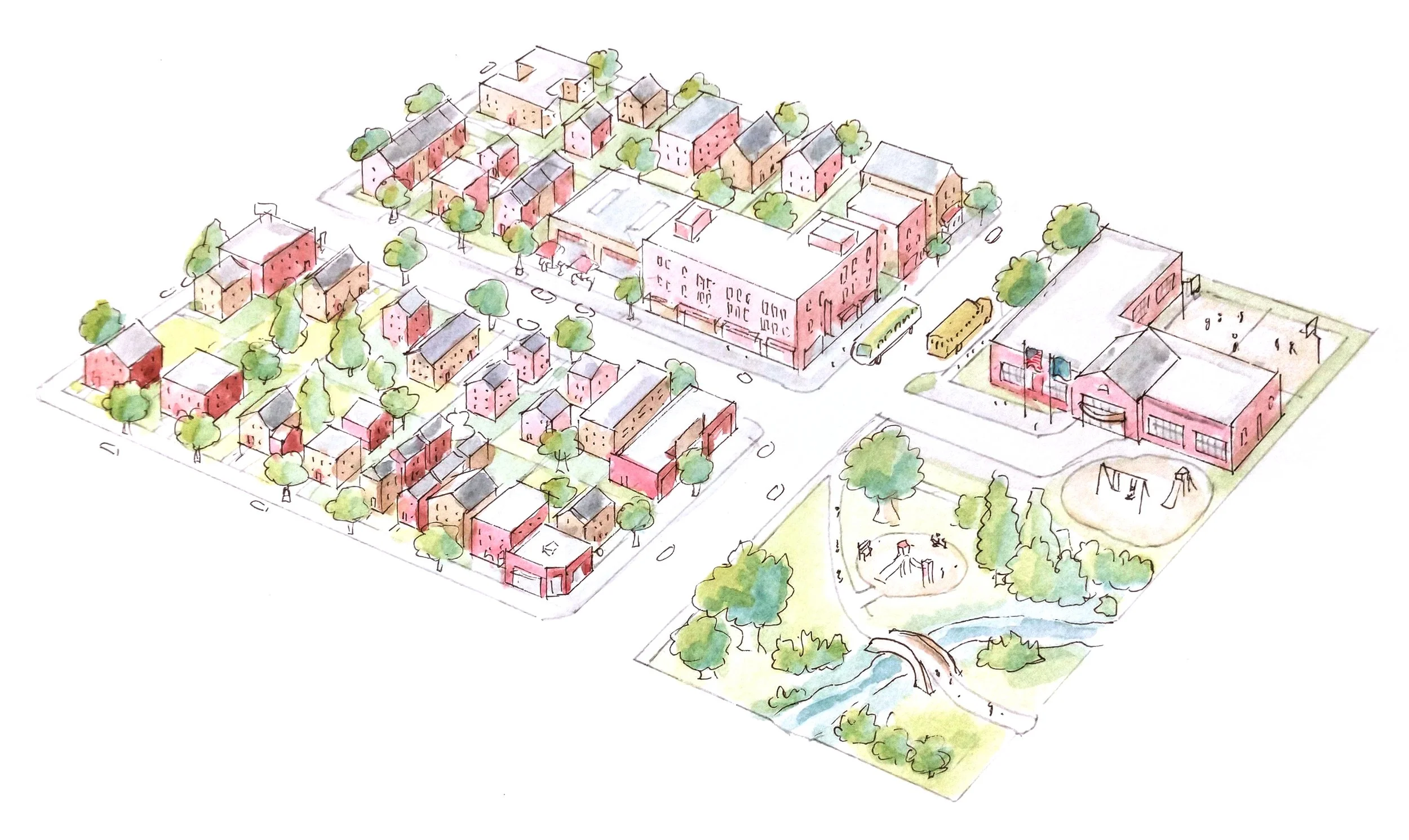
The Starter Homes Act Gives Cities Choices on How to Build More Homes
Cities choose from five basic categories of tools to expand housing supply. Based on their size, cities must demonstrate progress in increasing the number of homes they allow by choosing to:
Allow more land for multifamily homes in residential or commercial areas, beyond the base requirements
Reduce or eliminate parking mandates that add unnecessary costs and limit flexibility
Allow larger multifamily developments to make projects feasible
Increase the number of homes allowed on multifamily lots
Set aside funding for or reduce fees for new, affordable homes
The Starter Homes Act Creates a Baseline for New Homes In Minnesota
Minnesota’s patchwork of local zoning rules makes it harder to build the homes we need. By passing the Starter Homes Act, we can simplify rules statewide for what homes can be built where, so more families and neighbors can buy or rent homes in the communities they love.
Clear statewide standards will make it faster and easier to build more homes. More homes mean lower housing costs, stronger communities, and more opportunities for the next generation to stay and thrive in Minnesota.