
What is Land Value Tax?
Land Value Tax is a different, more equitable way to calculate property tax. It is not a new tax on property owners. Under our traditional property tax system, the taxes paid are assessed mostly on the value of the building on top of the land. With LVT, the tax is instead mostly on the value of the land itself, which is assessed based on its location, access, and potential for development.
What is the problem?
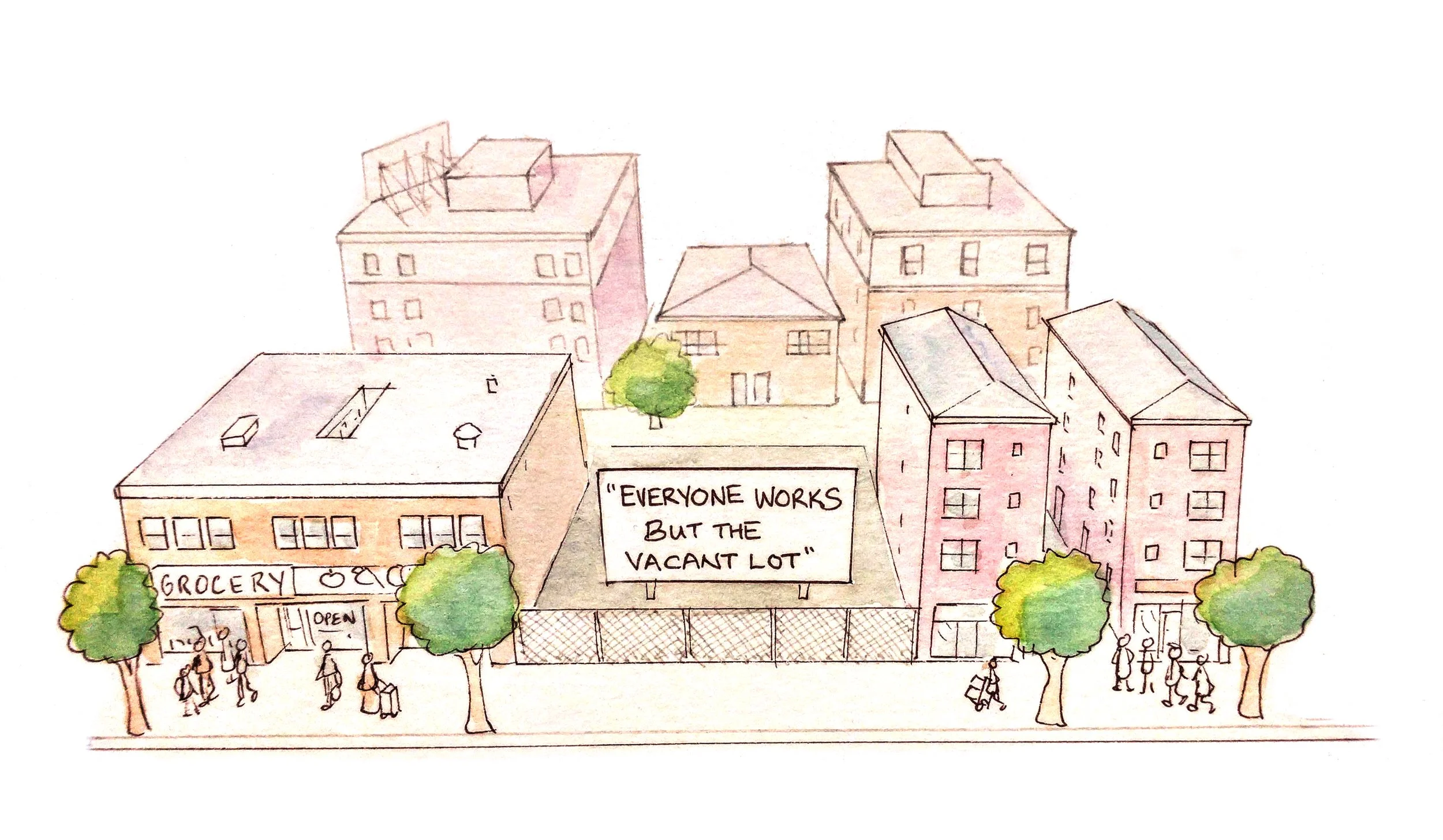
Currently, property taxes are based primarily on the value of buildings and improvements. This means that properties without buildings on valuable land - such as crumbling, empty parking lots downtown or vacant land on Main Street - are under-taxed and under-utilized. These empty lots contribute nothing to the surrounding community.
Taxing buildings and improvements discourages a better use of vacant land - and encourages land speculation. Land owners will leave land vacant or underdeveloped so they can pay lower taxes. They often hold the parcel for years, even decades, waiting for surrounding areas to develop and raise neighborhood property values before selling to cash in on everyone else’s hard work. All this time, the community loses out on the potential development of that land.
Taxing underused land at a lower rate unfairly cost-burdens property owners who contribute to their communities by developing their land. Businesses and homeowners end up paying higher taxes to cover the costs of providing street maintenance, policing, fire, and other city services to the owners of underused land.
How Land Value Tax solves it:
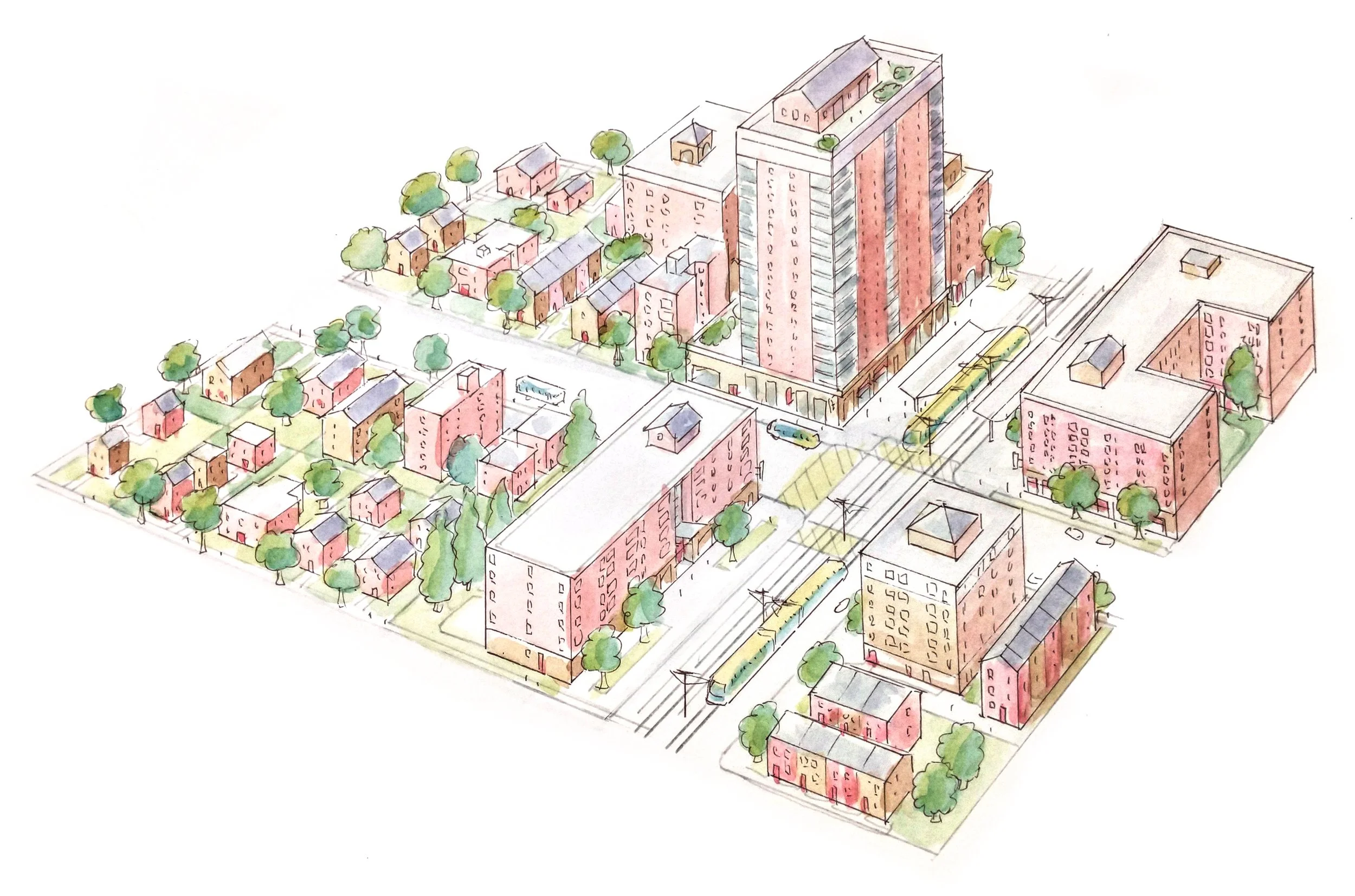
Through LVT, owners of underutilized property are incentivized to either sell the land or build new homes, businesses, and amenities in high-demand areas - improving community vibrancy, decreasing distances to essential destinations, and relieving pressure from urban sprawl on our natural environment and farmland.
LVT creates a fairer tax structure which does not punish the building of amenities for the community, and owners of vacant land are required to pay their fair share.
Where else has this been implemented?
LVT is allowed in Pennsylvania, currently being used in 16 cities and two school districts.
Harrisburg, once one of the most distressed cities in the nation, adopted this approach in 1975. It saw 5,200 vacant properties restored and taxable businesses rise from 1,908 to 5,900.
Many jurisdictions outside the United States use a version of LVT, including Denmark, Estonia, Hong Kong, Singapore, New South Wales, and Mexicali.
How would it work in Minnesota?
Current Minnesota state law does not allow communities to use LVT. A change to state law would allow, but not require, this new approach. Cities would have the power to use LVT broadly or narrowly, in the way that works best for their specific community.
The example below shows the effects on two properties if the northeast quadrant of downtown Saint Paul were placed in an LVT District. Over the entire district, total property taxes would stay the same, but for these two locations there would be significant changes.
The parking lot’s taxes would almost triple, creating development pressure to put it to better use. The Park Square Court Building’s taxes would decrease by 24%, reducing the tax burden on a land use that contributes to its surroundings.
Parking Lot
141 9th St E
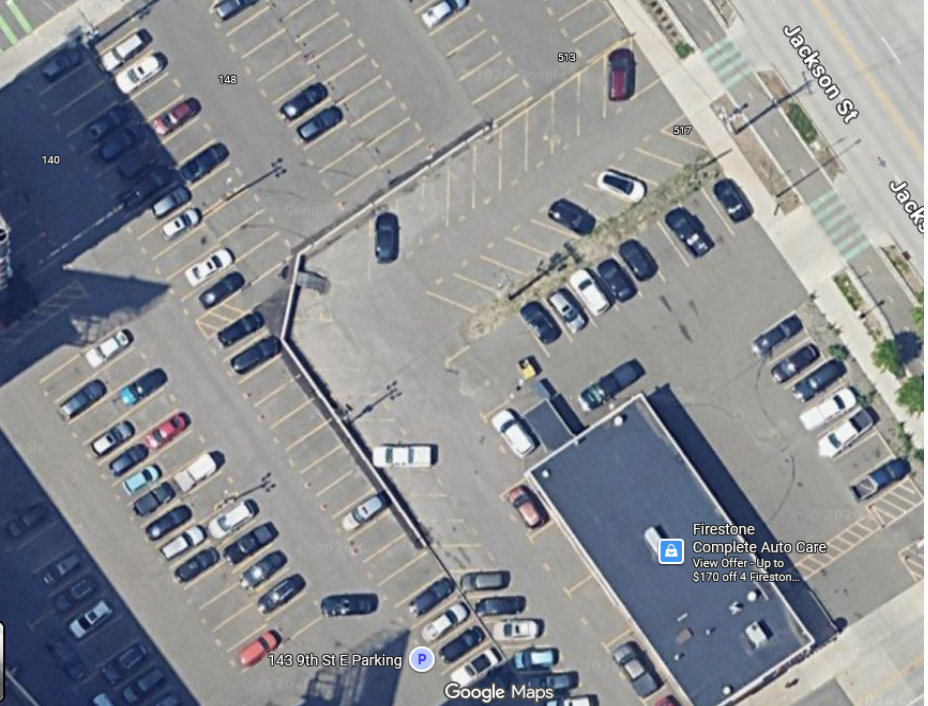
Taxable Value:
Building Value:
Current Taxes:
Land Value Tax:
$225,000
0%
$10,806
$28,058
Park Square Court
400 N Sibley St
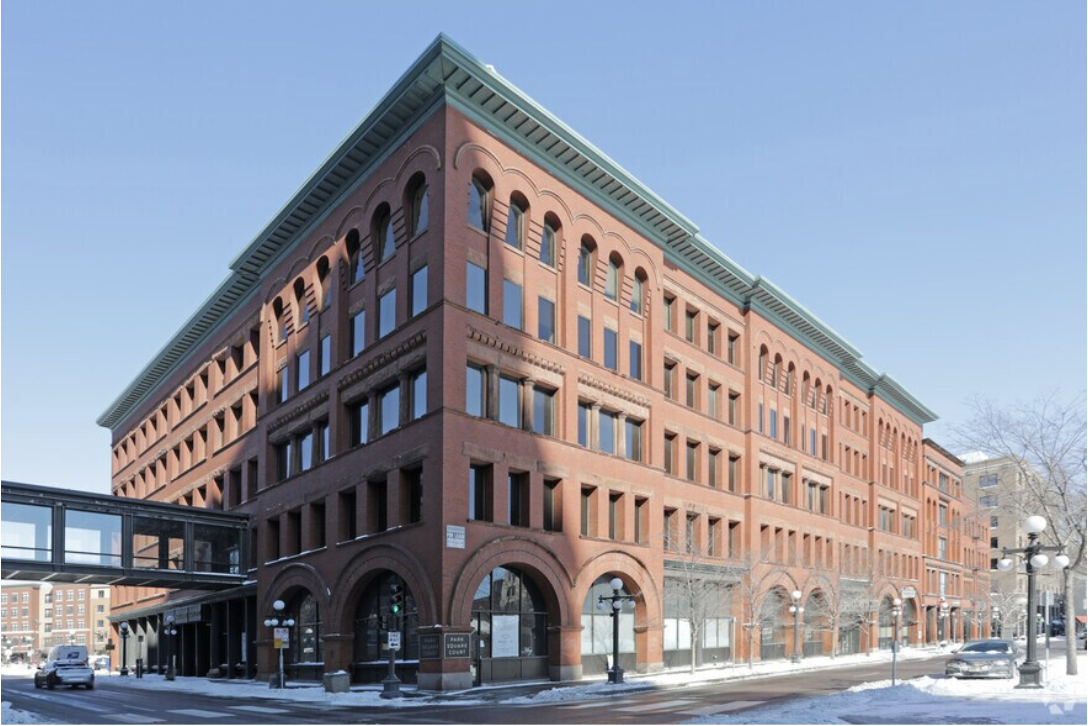
Taxable Value:
Building Value:
Current Taxes:
Land Value Tax:
$6,094,700
74%
$257,988
$196,402





Land Value Tax Coalition
Who We Are
The Land Value Tax Coalition of Minnesota brings together housing advocates, environmentalists, transportation supporters, and residents committed to fiscally strong communities. We support Land Value Tax (LVT) as a tool to make cities and towns across the state more vibrant, affordable, livable, and environmentally sustainable.
Our Vision
A Minnesota where we recognize that the value of our land lies in the community around it. By legalizing land value taxes, we can encourage redevelopment that supports our communities without burdening our neighbors with new taxes.
Land Value Tax Coalition
Who We Are
The Land Value Tax Coalition of Minnesota brings together housing advocates, environmentalists, transportation supporters, and residents committed to fiscally strong communities. We support Land Value Tax (LVT) as a tool to make cities and towns across the state more vibrant, affordable, livable, and environmentally sustainable.
Why Land Value Tax
Under our traditional property tax system, the taxes paid are mostly assessed on the value of the building and improvements on a plot of land. This places a higher tax burden on homeowners, renters, and business owners, while encouraging property developers and landowners to speculatively hold onto vacant, undeveloped lots.
A land value tax is different more equitable way to calculate this property tax. Rather than taxing buildings or improvements to a piece of land, the tax is placed on the land itself. This doesn’t change how much a city raises in property tax, just how it is calculated for property owners. A land value taxes remove the incentive to hold onto empty lots, encouraging landowners to build homes or businesses on the vacant land or sell it to someone who will. This tax structure change promotes thriving communities and discourages real estate speculation.
Our Solutions
Our vision is a Minnesota where we recognize that the value of our land lies in the community around it. By legalizing land value taxes, we can encourage redevelopment that supports our communities without burdening our neighbors with new taxes.
A land value tax policy would:
Allow towns and cities throughout Minnesota to have more options on how to tax properties, including implementing a land value tax on all or part of the city
Discourage landowners and real estate investors from holding vacant land or empty parking lots for speculative value.
Make homes more affordable by encouraging construction of new homes and reducing the inflationary pressures of land speculation.